All year 8 min read · Updated October 2026
Lawn care calendar: what to do every month of the year
A month-by-month plan for a thick, green lawn: when to mow, feed, treat moss and weeds, scarify and rest it.

A good lawn isn't one big job. It's a dozen small ones done at the right time. Get the timing right and you'll use less feed, fight fewer weeds and spend less time on it overall. This is the calendar our lawn team follows for gardens in the south of England. Further north, shift each job two or three weeks later.
Spring: March to May
Spring is when the lawn wakes up. Once the soil is above about 6°C, the grass starts growing again and every job you do now pays back all summer.
March
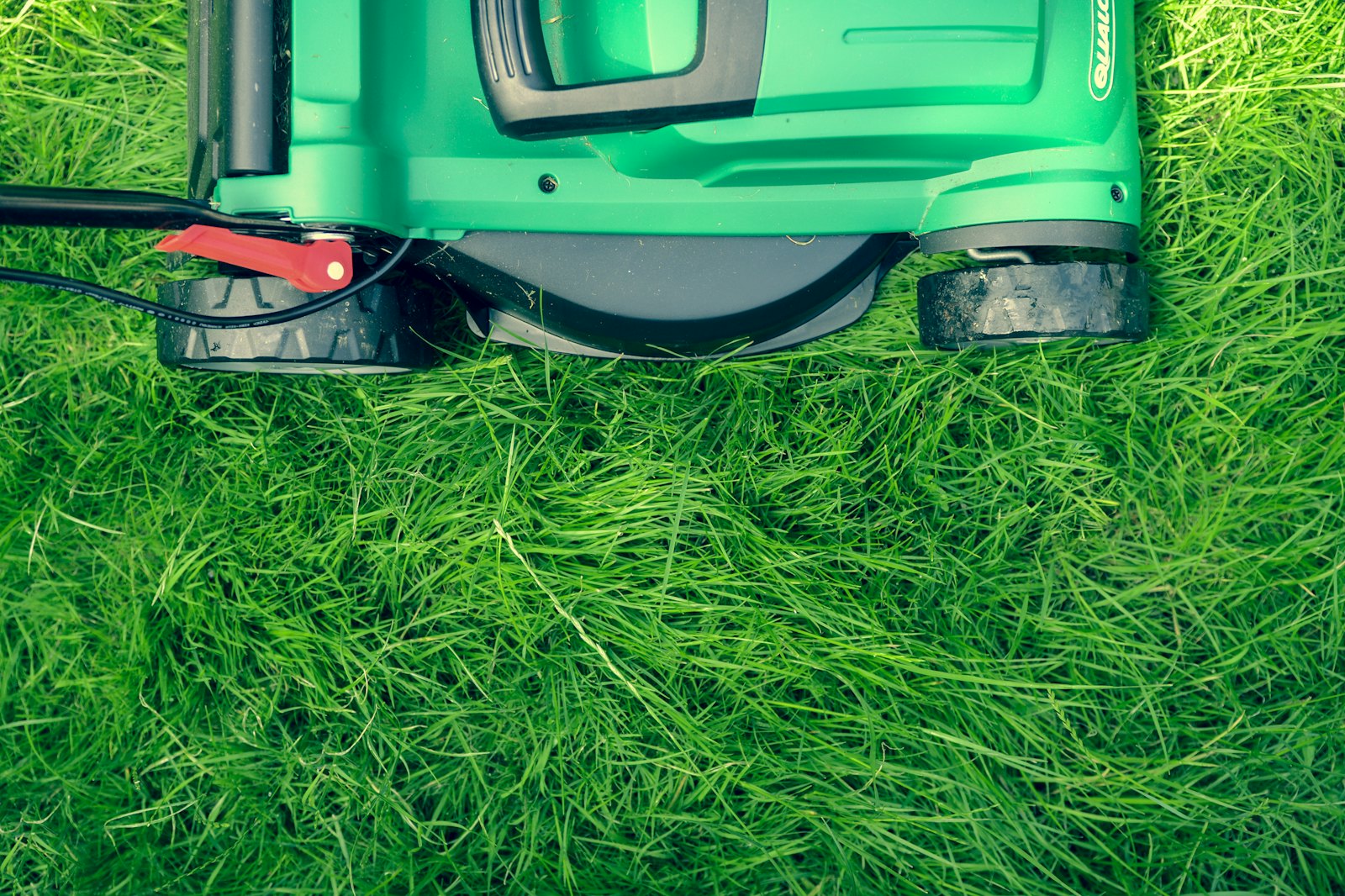
- First cut. On a dry day, set the mower to its highest setting and just take the tips off. Lower it gradually over the next few weeks.
- Rake out debris. Clear leaves, twigs and worm casts so light and air can reach the grass.
- Check the edges. Re-cut edges with a half-moon edger. It's the quickest way to make the whole garden look tidier.
April
- Spring feed. Apply a nitrogen-rich spring fertiliser to encourage fresh green growth. Water it in if no rain is due within two days.
- Treat moss. Use a moss killer containing ferrous sulphate. The moss turns black within a week or two. Then rake it out.
- Patch bare areas. Loosen the soil, sprinkle seed at about 35g per square metre, rake it in and keep it damp.
May
- Mow weekly. Growth speeds up fast. Aim for 25–35mm on a family lawn.
- Weed control. Weeds are growing hard now, which is exactly when selective lawn weedkillers work best. Spot-treat, or treat the whole lawn if weeds are widespread.
Summer: June to August
Summer is about protecting what you built in spring. Heat and dry spells are the main enemy.
- Raise the mower to 40–50mm in hot, dry weather. Longer grass shades its own roots and stays green for longer.
- Leave clippings on the lawn during dry spells (if your mower mulches). They act as a light mulch and return nutrients.
- Summer feed in June, but only if there's rain about. Never feed a lawn that's already stressed by drought.
- Don't panic about brown grass. A lawn that browns off in a drought is dormant, not dead. It recovers within weeks of steady rain.
Autumn: September to November
Autumn is the most important season for lawn care. The soil is warm and moist, so grass recovers quickly from heavy work.
September
- Scarify to pull out thatch, the layer of dead grass and moss that smothers the roots.
- Aerate with a hollow-tine aerator, especially on clay or heavily used lawns.
- Top dress and overseed straight after. Our scarifying and overseeding guide walks through it step by step.
October
- Autumn feed. Use a low-nitrogen, high-potassium feed. It toughens grass for winter instead of pushing soft growth.
- Raise the mower again and cut less often as growth slows.
November
- Clear leaves weekly. A layer of wet leaves left for a fortnight will yellow the grass underneath.
- Last cut on a high setting when growth has nearly stopped.
Winter: December to February
- Keep off it when it's frosted or waterlogged. Footprints on frozen grass bruise the blades and leave brown marks.
- Brush off worm casts on dry days so they don't get smeared by the mower in spring.
- Service the mower. Sharpen or replace the blade, change the oil, and clean the deck.
- A winter trim is fine in a mild spell if the grass is growing and the ground is firm. Use a high setting.
The calendar at a glance
| Job | When | How often |
|---|---|---|
| Mowing | March – November | Weekly in May–July, fortnightly otherwise |
| Feeding | April, June, September, October | 4 times a year |
| Weed control | May – September | Once or twice |
| Moss control | March – April, or September | Once a year |
| Scarifying | September (light rake in April) | Once a year |
| Aeration | September – October | Once a year |
| Overseeding | September, or April | Once a year |
When to call in help
Most of this is easy to do yourself with a decent mower and a spreader. Where a professional makes the biggest difference is the heavy autumn work. Powered scarifiers and hollow-tine aerators are expensive to buy and hard work to use. A lawn treatment plan also takes the guesswork out of which product to use and when.
Rather we did it for you?
Fernhill Garden Care looks after gardens across Ashford, Wye, Charing, Hamstreet, Kennington, Willesborough, Great Chart and Tenterden. Book a free visit and we'll quote for exactly what your garden needs.
Book a free visit