Summer 6 min read · Updated June 2026
Watering your garden in a dry summer
What really needs water, how much and when, why a brown lawn isn't a dead lawn, and how to save water in a hosepipe ban.
Hot, dry summers are now normal, and hosepipe bans come round more often. The good news is that most established gardens need far less water than people think. The trick is watering the right things, in the right way, at the right time.
Water deeply, not daily
A light sprinkle every evening wets the surface and evaporates by morning. Worse, it trains roots to stay near the surface, where they dry out fastest. A thorough soak once or twice a week sends water deep, and roots follow it down.
When to water
- Early morning is best. It's cool, still and plants have water for the heat of the day.
- Evening is next best. Water the soil, not the leaves, to reduce the risk of mildew and slugs.
- Avoid midday. Much of the water evaporates before it reaches the roots.
What to water first
| Priority | What | How often in a heatwave |
|---|---|---|
| 1 | Pots, containers and hanging baskets | Daily, sometimes twice |
| 2 | Anything planted this year | Every 2–3 days |
| 3 | Fruit and vegetables | 2–3 times a week |
| 4 | Established shrubs and perennials | Only if wilting in the evening |
| 5 | Established lawns | Rarely, if at all |
Established trees and shrubs (in the ground for two years or more) have deep roots and usually cope without help. Plants that wilt in the afternoon heat but perk up by evening are fine.
Lawns: let them go brown
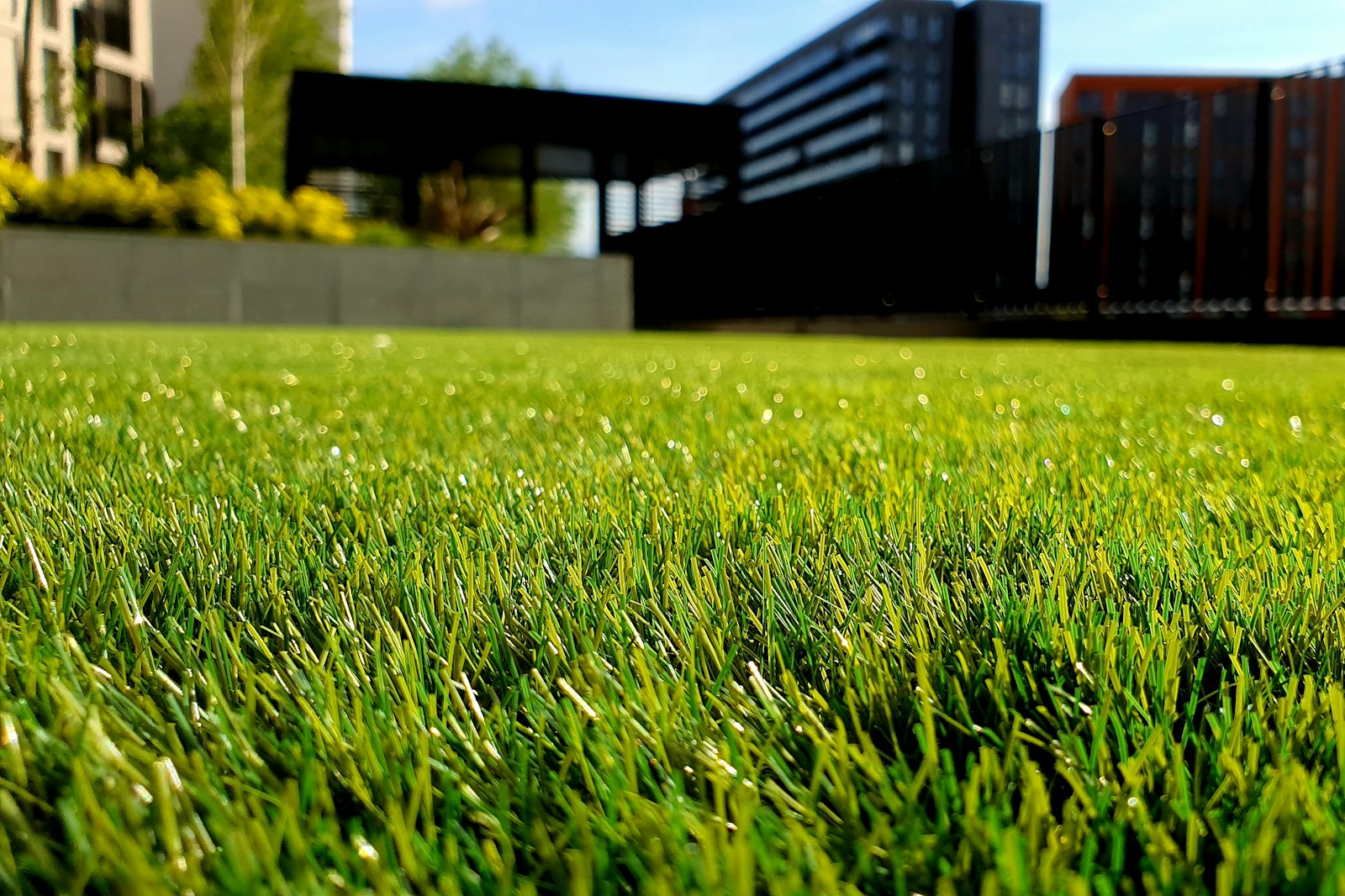
A lawn that turns straw-coloured in a drought is dormant, not dead. Grass is tough. It shuts down to protect itself and greens up again within a couple of weeks of decent rain.
- Raise the mower to 40–50mm, or stop mowing altogether.
- Leave clippings on the lawn as a light mulch.
- Don't feed a drought-stressed lawn. Wait for rain.
- If you do water, give it a deep soak (around 20 litres per square metre) every 7–10 days, not a daily sprinkle.
The exception is a newly sown or turfed lawn. Keep it moist until it's established, or it will fail.
Making every drop count
- Mulch. A 5cm layer of compost or bark on moist soil cuts evaporation dramatically.
- Water butts. One butt on a downpipe can collect over 20,000 litres a year from an average roof.
- Use a watering can at the base of each plant rather than a sprinkler over everything.
- Group pots together in partial shade. They shade each other and lose less water.
- Reuse grey water (from washing up or baths, without harsh detergents) on ornamental plants, not edibles.
- Leaky hoses or drip irrigation on a timer put water straight where it's needed.
During a hosepipe ban
A temporary use ban stops you using a hosepipe for watering gardens. Watering cans, water butts and grey water are still allowed. Check your water company's website for the exact rules, as some exemptions apply.
Plan for drier summers
When planting new borders, choose plants that like it dry: lavender, rosemary, salvias, sedums, verbena, ornamental grasses and Mediterranean herbs. Planting in autumn gives roots all winter to establish before their first summer.
Rather we did it for you?
Fernhill Garden Care looks after gardens across Ashford, Wye, Charing, Hamstreet, Kennington, Willesborough, Great Chart and Tenterden. Book a free visit and we'll quote for exactly what your garden needs.
Book a free visit