Autumn 9 min read · Updated September 2026
Scarifying, aerating and overseeding: the autumn lawn rescue
How to pull out thatch and moss, relieve compacted soil and sow new grass so your lawn comes back thicker next spring.
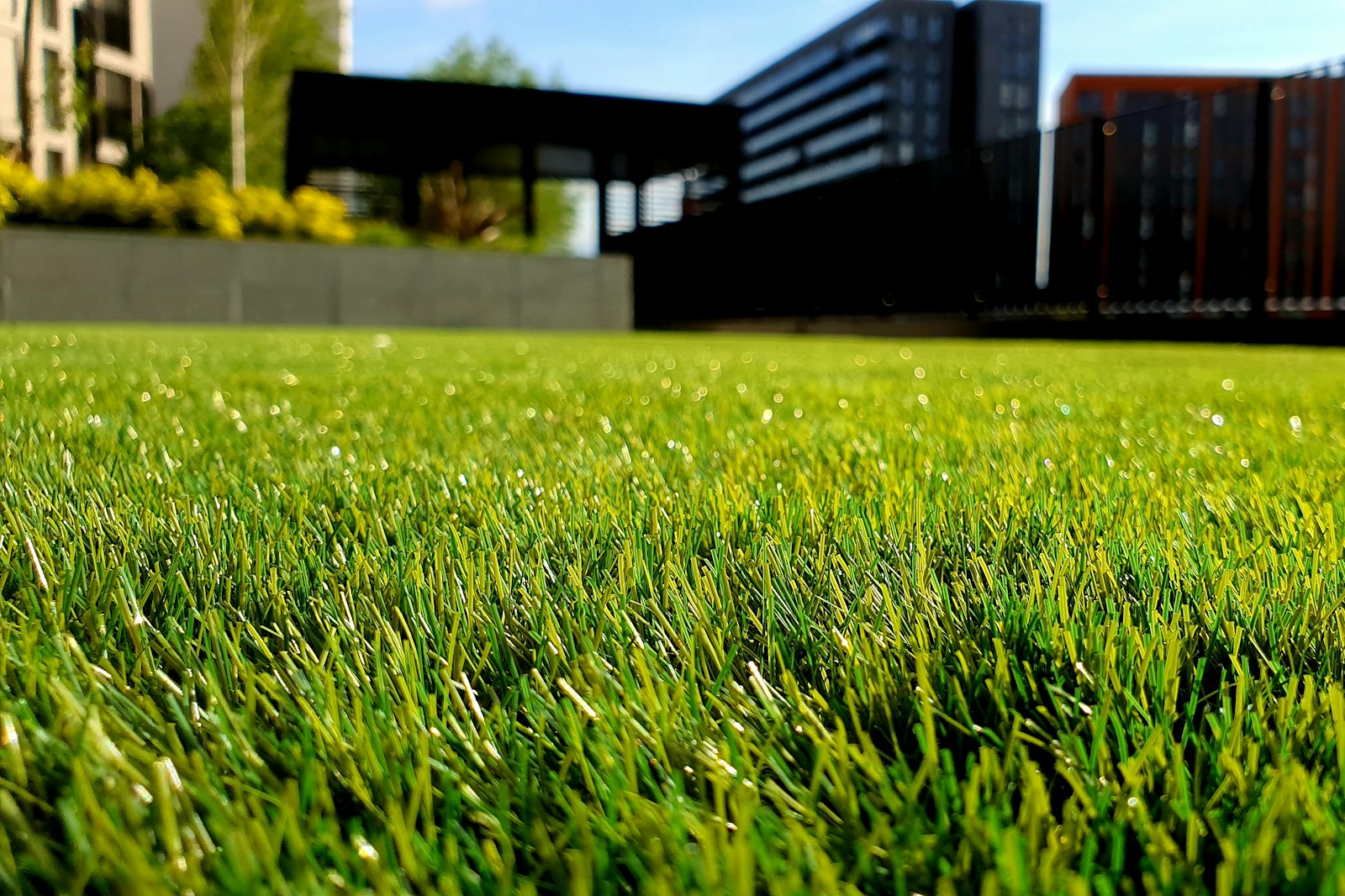
If your lawn feels spongy underfoot, looks thin, or turns into a moss carpet every winter, this is the job that fixes it. Scarifying, aerating and overseeding are best done together, one after the other, in early autumn. The lawn will look worse for a fortnight and much better for the rest of the year.
Why autumn?
In September the soil is still warm from summer, rain is more reliable, and weeds are slowing down. New grass seed germinates fast and has months to root before the next summer. Spring works too, but weeds compete harder and dry spells can catch new seed out.
Step 1: kill the moss first
If there's a lot of moss, treat it with a ferrous sulphate moss killer about two weeks before you scarify. Raking out living moss just spreads its spores. Raking out dead, black moss removes it for good.
Step 2: mow short
Mow the lawn a little shorter than usual, about 20–25mm. This makes it easier for the scarifier to reach the thatch and for new seed to reach the soil.
Step 3: scarify
Thatch is the layer of dead grass, moss and roots between the living grass and the soil. A thin layer is fine. Anything over about 1–2cm acts like a sponge: it holds water at the surface, starves roots of air and gives moss a perfect home.
- Small lawns: a spring-tine rake and some elbow grease.
- Medium to large lawns: hire a powered scarifier. Do one pass in one direction, then a second at a slight angle.
- Collect everything. You'll be shocked how much comes out. Several bags from an average lawn is normal.
Step 4: aerate
Compacted soil is a hidden cause of most tired lawns. Roots can't push down, water sits on the surface and the grass struggles every summer. Aeration punches holes to let air, water and feed get to the roots.
| Method | What it does | Best for |
|---|---|---|
| Solid tine (garden fork) | Pushes holes, slight compaction around them | Light, regular aeration |
| Slit tine | Cuts slits in the surface | Quick yearly treatment |
| Hollow tine | Removes small cores of soil | Clay soil, heavy use, poor drainage |
For a fork, push it in 10cm deep every 10–15cm and rock it gently backwards. Hollow-tine aeration is the most effective, and the cores can be swept up or left to break down.
Step 5: top dress
Spread a thin layer of lawn top dressing (a sandy loam mix) at around 2–3kg per square metre. Work it into the holes and surface with the back of a rake or a lute. It improves drainage over time, levels small dips and gives the seed a good bed.
Step 6: overseed
- Choose a seed mix to suit the lawn: hard-wearing for family lawns, shade-tolerant for under trees.
- Sow at about 35g per square metre for overseeding, more on bare patches.
- Split the seed in half and sow in two directions for even coverage.
- Lightly rake it in so the seed touches the soil.
Step 7: aftercare
- Keep it damp until the seed is up. Germination takes 7–21 days in warm, moist soil.
- Keep off it as much as possible for three or four weeks.
- First cut once the new grass reaches about 5–7cm, on a high setting with a sharp blade.
- Autumn feed a few weeks later, using a low-nitrogen, high-potassium product.
How often?
Most lawns benefit from scarifying and aerating once a year. A lawn in great shape might only need a light rake each autumn and a full scarify every two or three years. Lawns on heavy clay, or ones used for football every weekend, will want hollow-tine aeration every year.
Rather we did it for you?
Fernhill Garden Care looks after gardens across Ashford, Wye, Charing, Hamstreet, Kennington, Willesborough, Great Chart and Tenterden. Book a free visit and we'll quote for exactly what your garden needs.
Book a free visit